

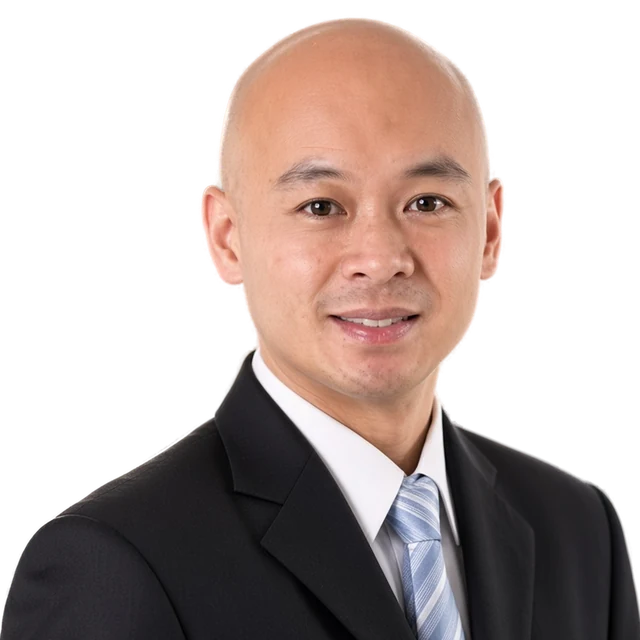
Raymond Cheung
Advisor & Lead Trainer
Over twenty years in actuarial science and risk management, working across ESG, sustainability and ESG investment.
Actuarial science · Risk management · ESG and sustainability
View Raymond Cheung’s profile// ESG & Sustainability
Bring ESG and climate risk into the risk framework the business already runs on.
Identification, assessment and integration of ESG and climate risks into enterprise risk management, with ownership, appetite and monitoring rather than a parallel register.
// Context
ESG risk is frequently managed outside the enterprise risk framework, in a separate register maintained by a sustainability function. That arrangement rarely influences decisions, because the risks are not competing for attention alongside everything else the board considers.
Integrating them changes the question from whether ESG risks exist to how they rank against operational, financial and strategic risks the organisation already manages.
It also exposes where the organisation has no appetite statement, no owner and no control for exposures it has been disclosing publicly.
// The engagement
// Deliverables
// Fit
// Why CER
CER works from Singapore with organisations across Asia, which matters for this service because requirements arriving from European regulators, regional supervisors and local listing rules do not align neatly.
Engagements run through to implementation: the data collection process, the documentation, the controls and the internal handover, so that the second cycle is cheaper than the first and can be run without us.
Where an organisation would be better served by building the capability internally, CER Academy delivers the same technical material as training.
Meet the people behind the work// Our people
Advisor & Lead Trainer
Over twenty years in actuarial science and risk management, working across ESG, sustainability and ESG investment.
Actuarial science · Risk management · ESG and sustainability
View Raymond Cheung’s profile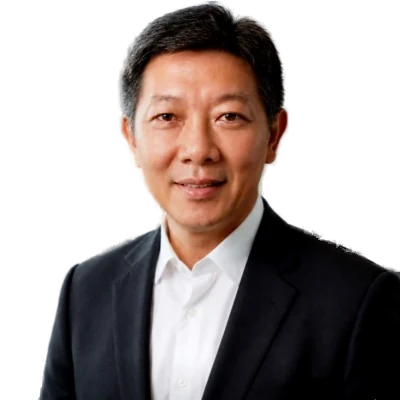
Lead Consultant
Over twenty years in wealth management and business consultancy, with ESG project experience across South-East Asia.
ESG advisory · Wealth management · Business consultancy
View Chan Ee Chong’s profile// Questions
Physical risk arises from climate impacts themselves -- acute events such as flooding, and chronic shifts such as heat or water stress. Transition risk arises from the response to climate change: policy, carbon pricing, technology shifts, market and reputational change.
Generally no. A separate register tends to be reviewed separately, and therefore not prioritised against the risks that drive decisions. Integration is what gives these risks standing.
It depends on your sector, size and reporting obligations, and it is more meaningful for some business models than others. We assess whether it would produce a decision-useful result for you before recommending it.
Climate disclosure requires you to describe your risk management process. If that process does not exist, the disclosure has nothing to describe. Building the risk framework first makes the disclosure straightforward.
// Related
A defined ESG position built from material issues, business strategy and stakeholder requirements -- with governance, priorities and a delivery plan attached.
ESG Strategy: Explore this servicePhysical and transition risk assessment, scenario analysis and integration into credit, investment and enterprise risk processes.
Climate Risk: Explore this serviceBoard and management structures, delegated authority, policy and control design that put accountability behind published sustainability positions.
Sustainability Governance & Controls: Explore this serviceReporting built on defined data, documented process and a clear view of which framework applies -- prepared so that assurance is achievable when it becomes required.
Sustainability Reporting: Explore this service// Sectors
Climate risk, financed emissions, ESG governance and sustainable finance.
Financial Services: View sector expertiseCarbon measurement, Scope 3, supply-chain requirements and sustainable procurement.
Manufacturing & Supply Chain: View sector expertiseTell us where you are now and what you are being asked for. We will tell you what closing that gap actually involves.
Building this capability internally instead? CER Academy delivers the same technical material as training.
We use necessary cookies to make this site work. We would also like to set analytics cookies to understand how the site is used. Nothing beyond the necessary cookies is set without your agreement. Read the cookie policy.