
Carbon Accounting
A defensible greenhouse gas number, built on a documented boundary, traceable data and a methodology that stays consistent between reporting years.
Carbon Accounting: Explore this service// CER Solutions
CER works across four capability areas. Each addresses a distinct set of obligations, and most engagements draw on more than one, because measurement, reporting, risk and financing are rarely separable in practice.
// 01
Measure emissions, understand exposure and establish credible reduction pathways.
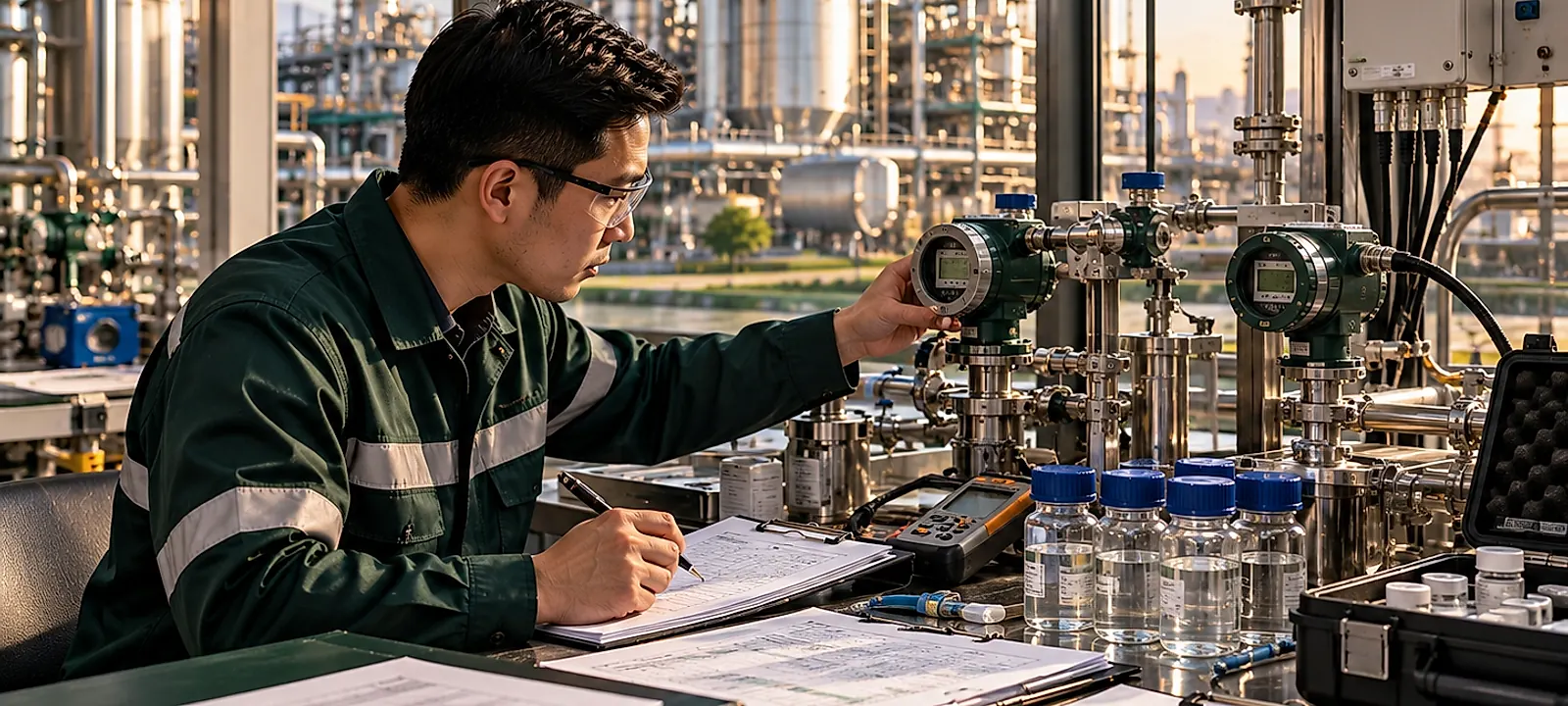
View Carbon & Climate capabilityMost organisations are asked for emissions figures before they have a defensible way of producing them. Data sits across finance, facilities, procurement and operations, methodology is inconsistent between years, and the resulting number cannot survive scrutiny from an auditor, a customer or a bank.
CER builds the measurement foundation first: organisational boundary, emissions sources, data collection, calculation methodology and documentation. Once the baseline is reliable, we work on what the organisation can actually change -- reduction levers, sequencing, cost, and the internal ownership needed to deliver them.
A greenhouse gas inventory the organisation can stand behind, a reduction pathway grounded in its own operations, and documentation that holds up to external review.
A defensible greenhouse gas number, built on a documented boundary, traceable data and a methodology that stays consistent between reporting years.
Carbon Accounting: Explore this serviceA complete organisational inventory with defined boundaries, documented sources, quality controls and a base year you can report against consistently.
GHG Inventory Development: Explore this serviceComplete Scope 1 and 2 measurement, and a Scope 3 programme that starts with screening and prioritisation rather than attempting fifteen categories at once.
Scope 1, 2 & 3 Emissions: Explore this servicePreparation against ISO 14064-1, structured so the resulting GHG assertion can be taken to a verification body without rework.
ISO 14064 Advisory: Explore this serviceReduction levers assessed against cost, feasibility and impact, sequenced into a roadmap with owners, capital requirements and interim targets.
Decarbonisation & Net-Zero Strategy: Explore this serviceProduct-level assessment following ISO 14040 and ISO 14044, from goal and scope definition through inventory analysis, impact assessment and interpretation.
Life Cycle Assessment: Explore this service// 02
Turn ESG requirements into practical governance, reporting and operational programmes.
View ESG & Sustainability capabilityESG arrives as a set of external demands -- investor questionnaires, customer requirements, listing rules, procurement conditions -- and is often answered document by document. That produces reporting effort without producing management information, and leaves the organisation restating positions it has never actually decided.
CER works from materiality outwards: what genuinely matters to this business and its stakeholders, what has to be governed, what has to be measured, and what has to be disclosed. We then build the reporting process, data definitions and internal accountability that make it repeatable.
A defined ESG position, a reporting process that runs on a schedule rather than a scramble, and data that management can use rather than only publish.
A defined ESG position built from material issues, business strategy and stakeholder requirements -- with governance, priorities and a delivery plan attached.
ESG Strategy: Explore this serviceReporting built on defined data, documented process and a clear view of which framework applies -- prepared so that assurance is achievable when it becomes required.
Sustainability Reporting: Explore this serviceA structured assessment of sustainability issues against business impact and stakeholder significance, producing a prioritised set that strategy and reporting can be built on.
Materiality Assessment: Explore this serviceIdentification, assessment and integration of ESG and climate risks into enterprise risk management, with ownership, appetite and monitoring rather than a parallel register.
ESG Risk Management: Explore this serviceMetric definitions, data ownership, collection processes and controls that turn scattered ESG information into a reportable, auditable data set.
ESG Data & KPIs: Explore this serviceSupplier requirements, assessment criteria and contract terms that make sustainability part of procurement decisions and give you the supply-chain data you are being asked for.
Sustainable Procurement: Explore this service// 03
Prepare for the sustainability frameworks, standards and regulatory expectations that apply to you.
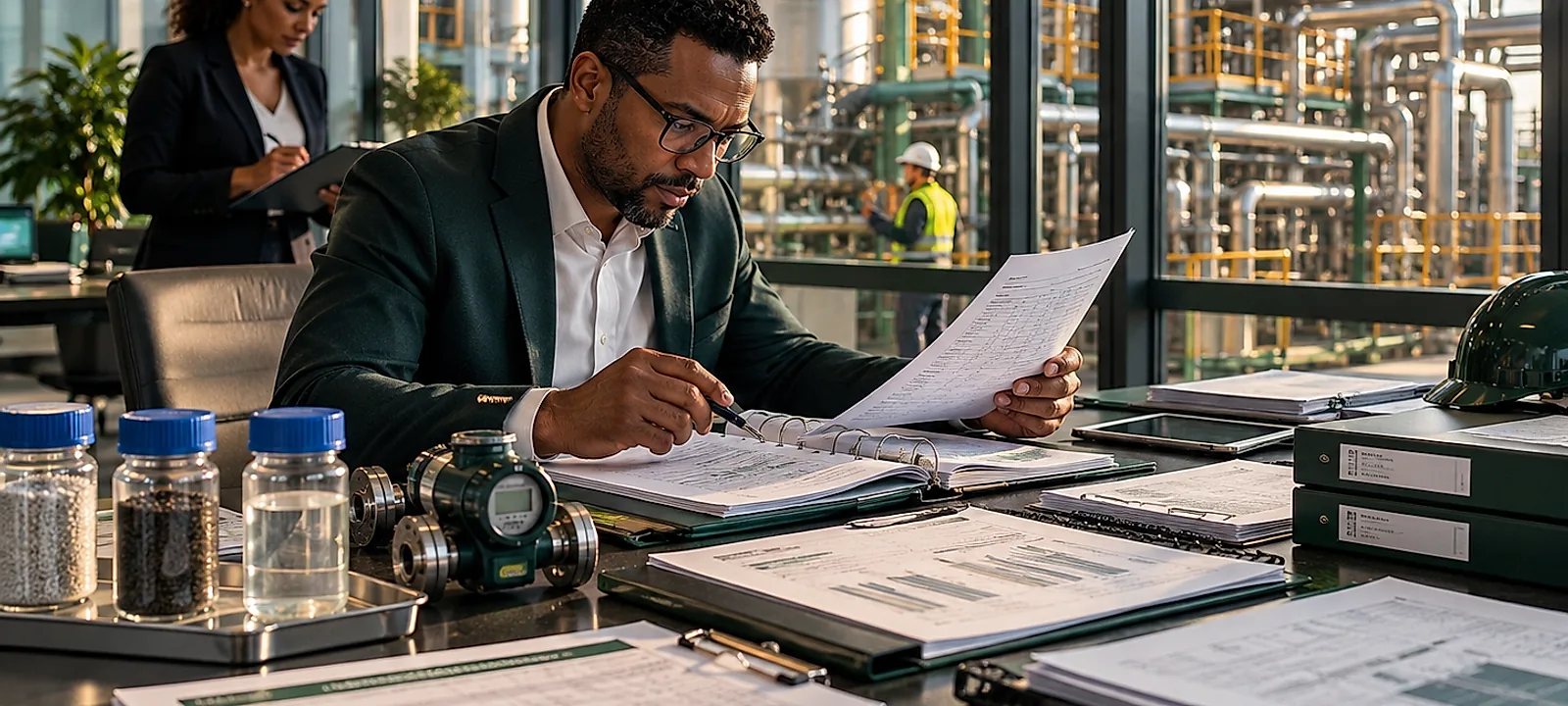
View Compliance & Standards capabilityStandards and regulatory regimes are not interchangeable. An organisation preparing for a management system certification, an assurance engagement and an import regime is being asked for different evidence in each case, on different timetables, by parties with different tolerances for gaps.
CER maps which requirements genuinely apply, identifies the gap between current practice and what each requires, and puts the controls, records and documentation in place. We prepare organisations for external scrutiny rather than producing a document set that has never been tested.
A clear view of applicable obligations, a closed gap list, and evidence organised the way an auditor or verifier will ask for it.
Gap assessment, system design, documentation and audit preparation for environmental, energy and related ISO management system standards.
ISO Advisory: Explore this serviceAssessment of CBAM exposure across your products and customers, embedded emissions data preparation, and the reporting pathway your EU importers require.
CBAM Readiness: Explore this serviceA pre-assurance review of data, evidence and controls against what a provider will test, with the gaps closed before the engagement begins.
Assurance Readiness: Explore this serviceBoard and management structures, delegated authority, policy and control design that put accountability behind published sustainability positions.
Sustainability Governance & Controls: Explore this service// 04
Connect sustainability objectives with risk, financing and investment requirements.
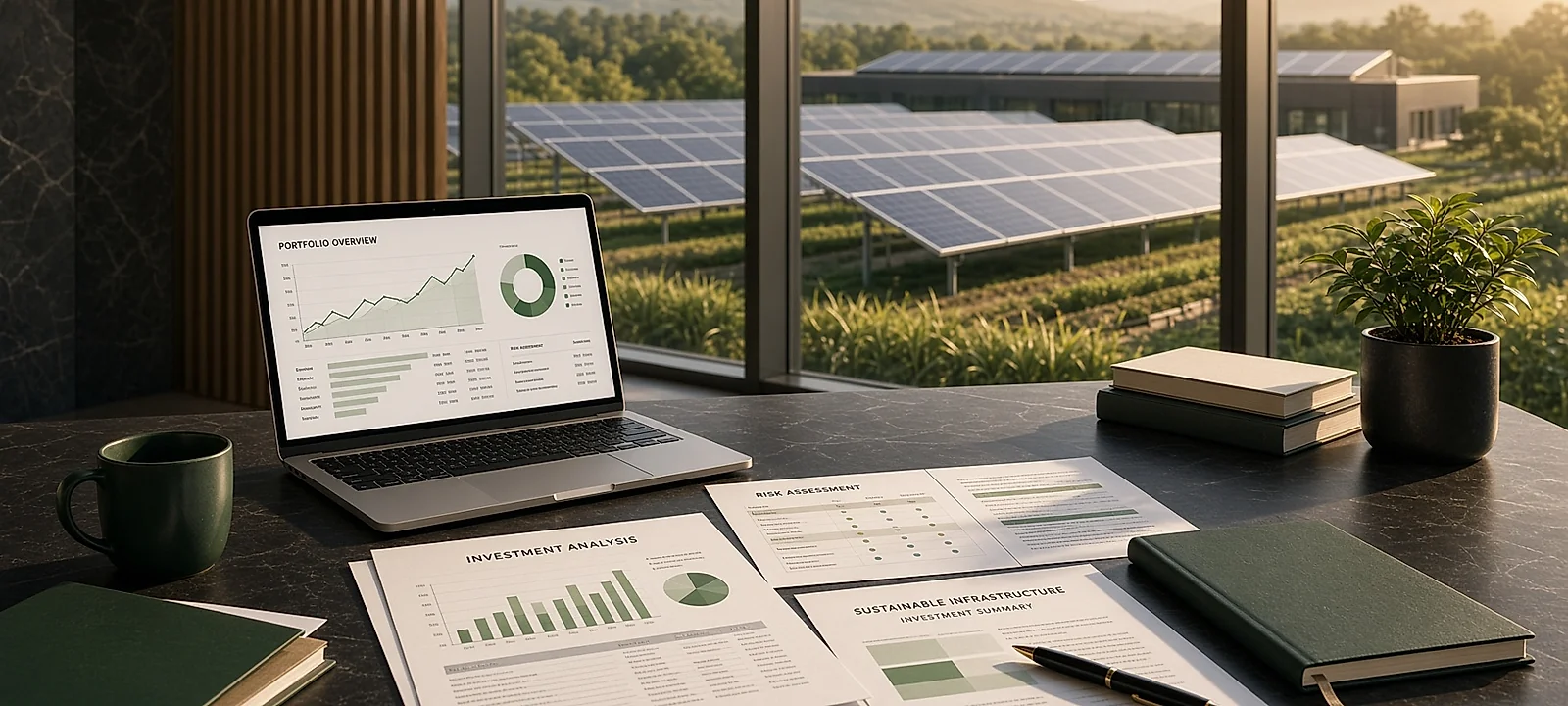
View Sustainable & Green Finance capabilityFor financial institutions, sustainability is a risk and portfolio question before it is a reporting one. Financed emissions, climate exposure in the lending book, and the credibility of a sustainability-linked structure all require methodology that supervisors and counterparties will accept.
CER supports financial institutions and borrowers on climate risk, financed emissions measurement, green and transition finance frameworks, and the sustainability performance targets that sit inside financing structures.
Portfolio-level visibility of climate and ESG exposure, financed emissions calculated on a recognised methodology, and financing structures whose sustainability terms are defensible.
Framework development, use-of-proceeds definition, sustainability performance targets and reporting for green, sustainability-linked and transition financing.
Green & Sustainable Finance: Explore this servicePhysical and transition risk assessment, scenario analysis and integration into credit, investment and enterprise risk processes.
Climate Risk: Explore this serviceFinanced emissions measurement following the PCAF Global GHG Accounting and Reporting Standard, with asset class coverage, data quality scoring and attribution.
Financed Emissions & PCAF: Explore this serviceHow we work
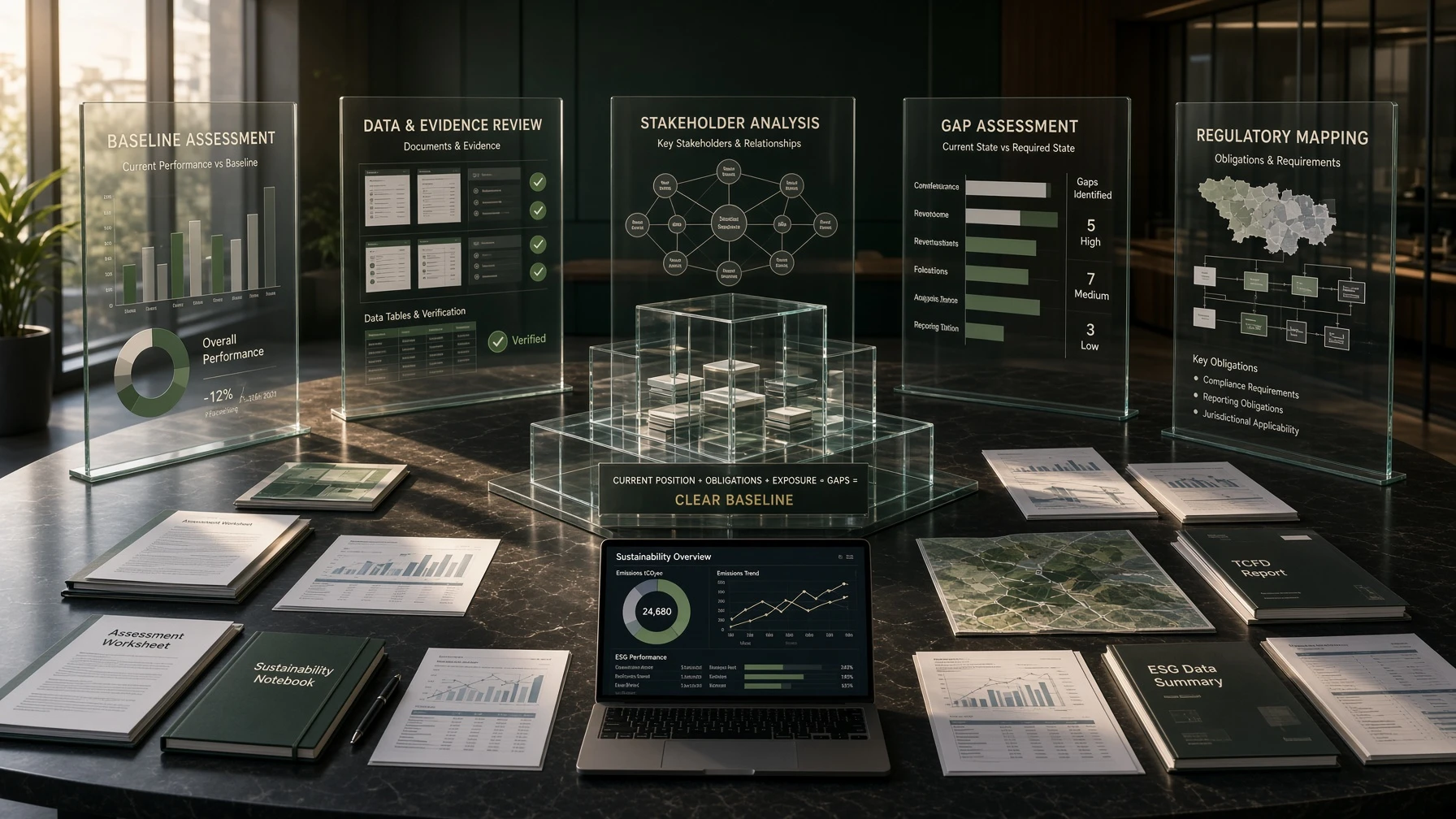
Establish where the organisation actually stands: current position, obligations, exposure and the gaps between them.
Decide where effort and investment should go, so the programme addresses what is material rather than everything at once.
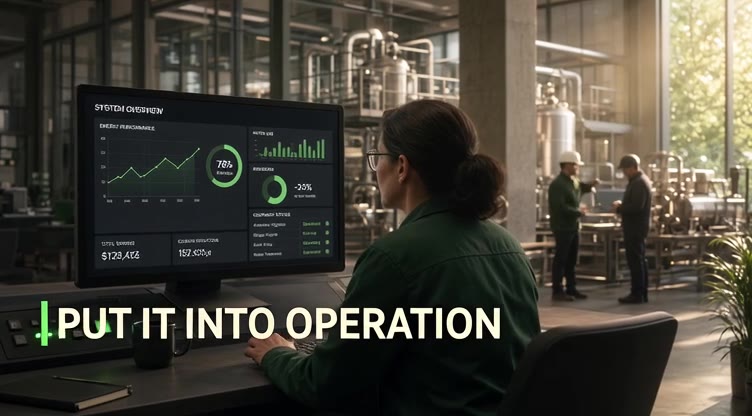
Put the programme into operation, measure it, and build the internal capability to keep it running.
// Industries
Climate risk, financed emissions, ESG governance and sustainable finance.
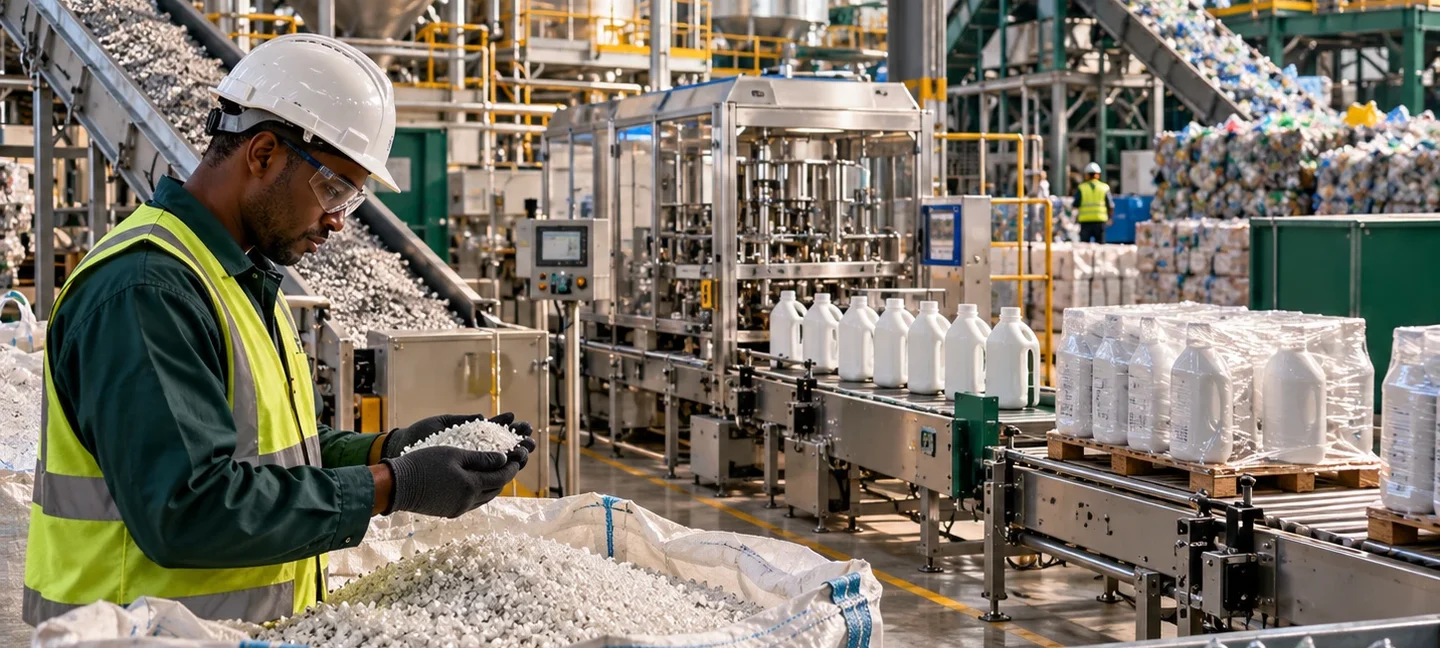
Financial Services: View sector expertiseCarbon measurement, Scope 3, supply-chain requirements and sustainable procurement.
Manufacturing & Supply Chain: View sector expertiseTransition planning, emissions intensity, project-level assessment and financing requirements.
Energy & Infrastructure: View sector expertise// Our people

Advisor & Lead Trainer
Over twenty years in actuarial science and risk management, working across ESG, sustainability and ESG investment.
Actuarial science · Risk management · ESG and sustainability
View Raymond Cheung’s profile
Lead Consultant
Over twenty years in wealth management and business consultancy, with ESG project experience across South-East Asia.
ESG advisory · Wealth management · Business consultancy
View Chan Ee Chong’s profile// Insights
Singapore's climate reporting requirements are phased by listing status, index membership and size -- and the timelines have been revised. Here is how to work out where your organisation sits.
3 min read
Singapore climate reporting: what applies to your company, and when: Read articleMost organisations approach Scope 3 by trying to measure everything. Screening first is faster, cheaper and produces a more defensible result.
3 min read
Scope 3: where to start when fifteen categories is not a plan: Read articleThe EU carbon border mechanism entered its definitive period on 1 January 2026. The obligation sits with EU importers -- but the data requirement lands on their suppliers.
3 min read
CBAM is live: what Asian exporters are now being asked for: Read articleTell us what you are working through and we will tell you which capability fits, including where the answer is that you do not need us yet.
We use necessary cookies to make this site work. We would also like to set analytics cookies to understand how the site is used. Nothing beyond the necessary cookies is set without your agreement. Read the cookie policy.