Property Setup
The Difference Between a “Furnished” Home and an “Optimized” Short-Term Rental
A furnished home isn’t automatically an optimized short-term rental. Learn the differences that affect bookings, reviews and owner involvement.
By Megan Blount ·
When homeowners prepare a property for short-term renting, one phrase comes up again and again: “The home is already furnished.”
That may be true — but furnished does not automatically mean optimized, especially in today’s competitive short-term rental market. Understanding the difference can directly affect booking performance, guest satisfaction and the long-term condition of your property. It matters most for owners who are relocating or living out of town, where hands-on oversight isn’t realistic.
What “furnished” really means
A furnished home typically includes the essentials:
- Beds and bedroom furniture
- Living room seating and dining furniture
- Kitchenware from everyday living
- Décor chosen for personal taste
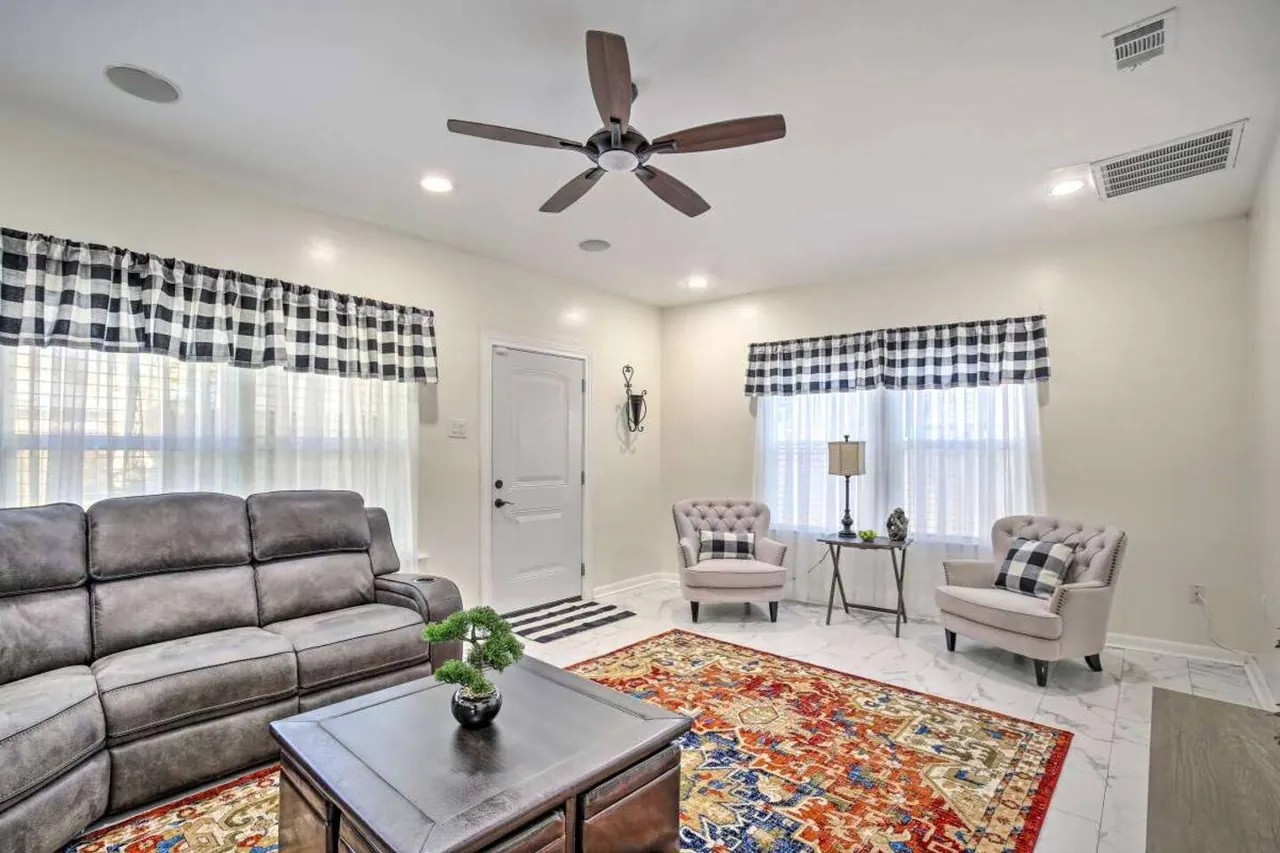
For long-term living, that works well. Short and mid-term rentals operate under different expectations. Guests experience your home first through listing photos, then immediately on arrival — and as a replacement for a hotel or resort. A furnished home may be livable, but it isn’t always competitive, intuitive or protected for short-term use.
What an optimized short-term rental looks like
An optimized rental is intentionally prepared to perform well and run smoothly with minimal owner involvement. Optimization focuses on:
- How guests choose listings online
- How they move through and use the space
- How confusion, misuse and damage can be prevented
- How comfort can encourage repeat stays
The differences that affect performance
1. Visual performance in search results
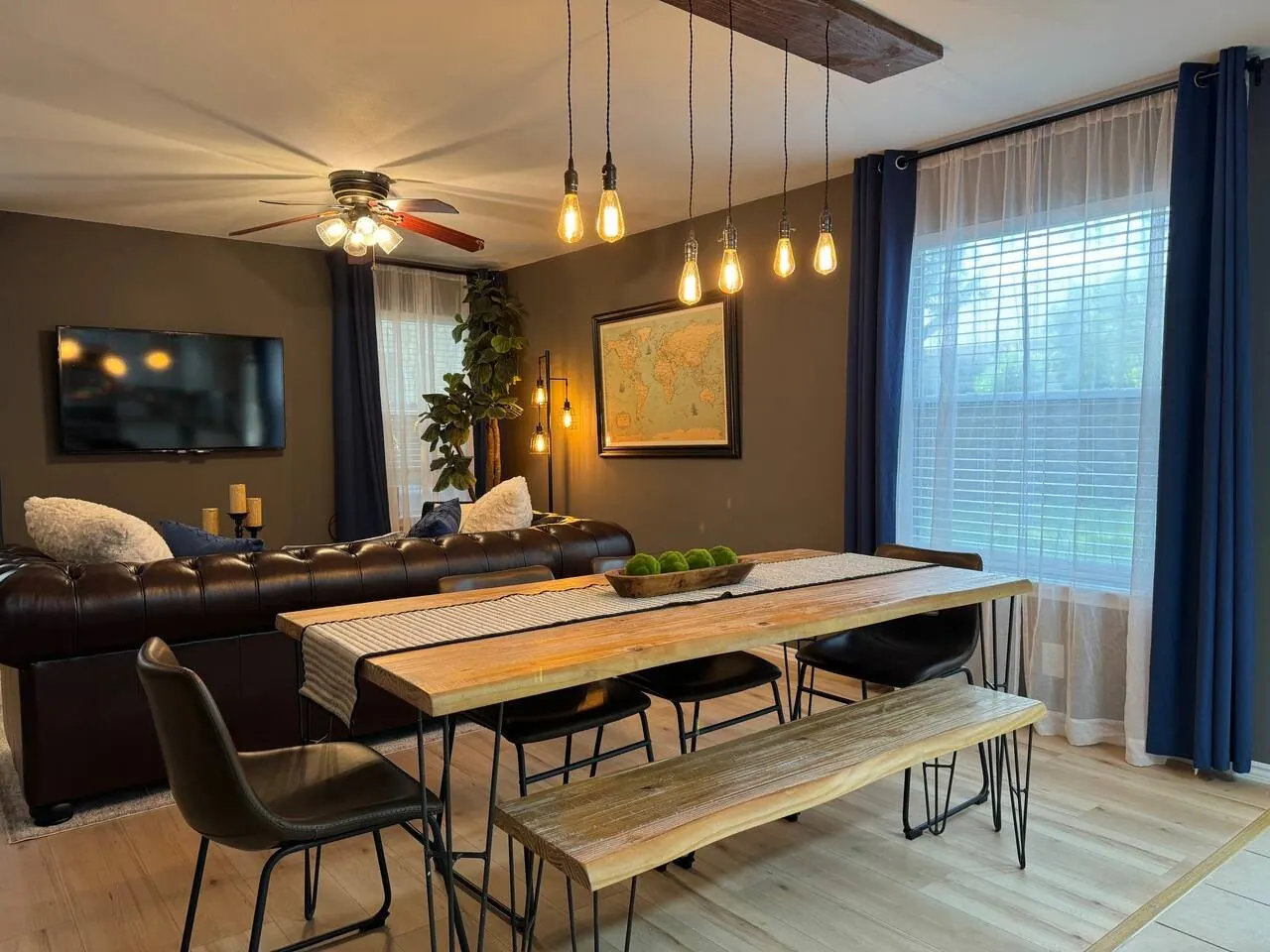
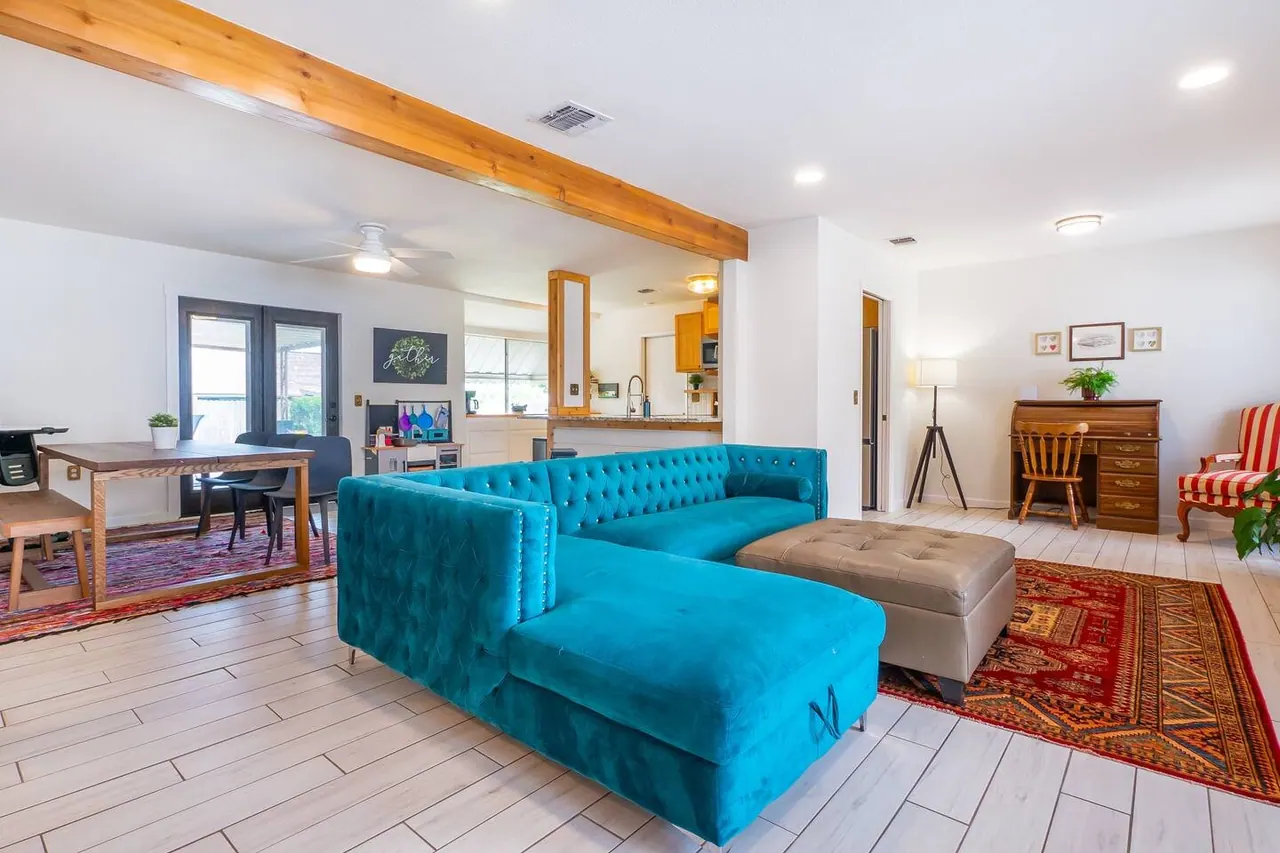
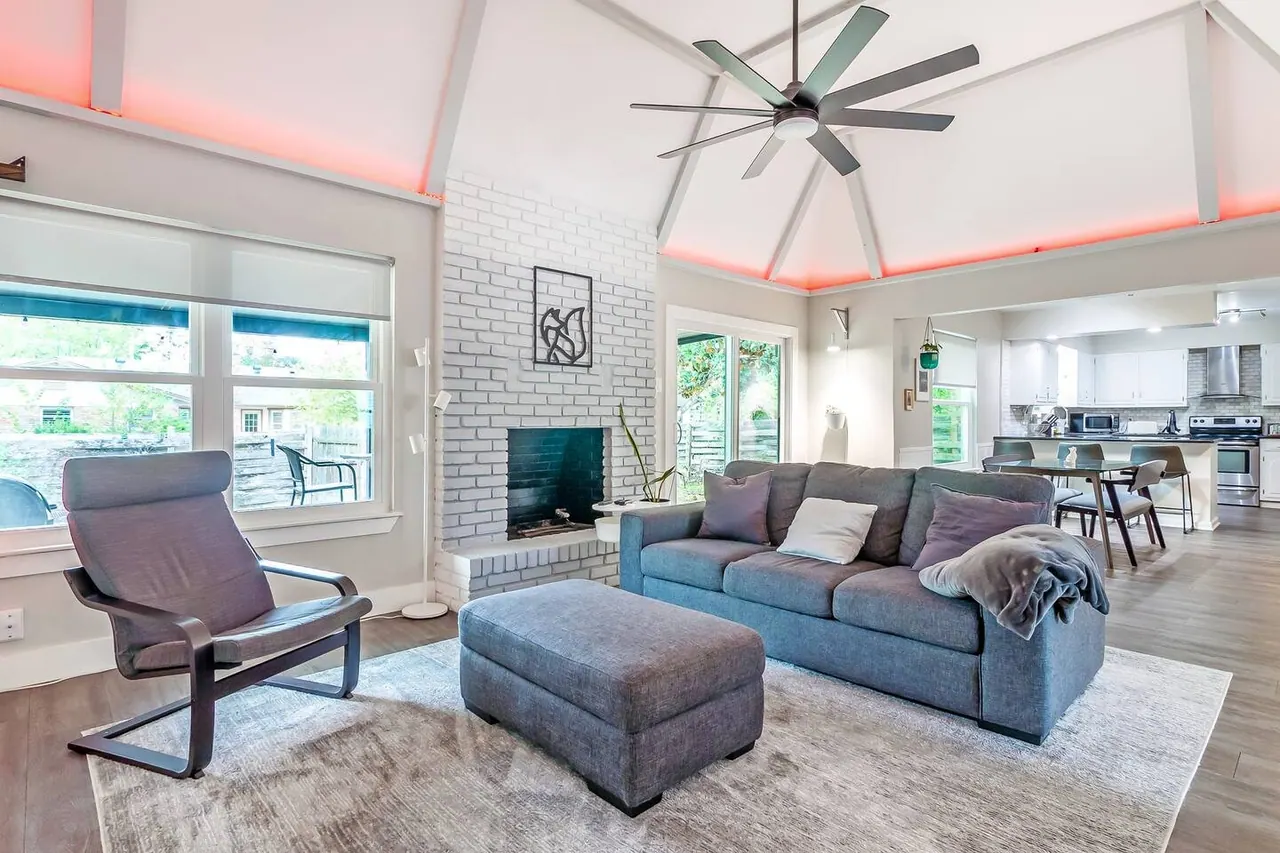
Optimized homes are designed to photograph well. Layout, lighting, color contrast and focal points are chosen intentionally so the listing stands out while guests scroll. A furnished home may feel comfortable in person but look flat or cluttered online — quietly reducing clicks and bookings.
2. Comfort is designed, not assumed
An optimized home considers how every item is experienced. Furniture isn’t just present; it’s placed to support conversation, relaxation and ease. That matters especially in larger homes, where guests often travel as families, groups or for extended stays. Comfortable guests stay longer, leave better reviews and book again.
Optimization isn’t about luxury — it’s about thoughtful comfort at scale.
3. Built-in guest guidance
Optimized homes don’t rely on guests “figuring it out.” Clear house manuals, thoughtful signage and well-placed supplies reduce questions, operational issues and after-stay surprises.
Why this matters if you aren’t hands-on
The less a property depends on owner involvement, the more consistently it can perform. Homes that are simply furnished tend to generate more questions and more reactive problem-solving. Optimized homes are set up to run smoothly without constant intervention.
For owners who aren’t nearby — including those relocating or preparing for a PCS move — that difference becomes critical: fewer interruptions, better reviews and a property that feels cared for even when you’re not there.
A helpful next step
Many owners aren’t sure whether their home is simply furnished or truly optimized. A property analysis can identify where your home is already well positioned, where small changes could improve performance and whether gaps may be limiting bookings or increasing risk. There’s no obligation.
Next step